Insulin was discovered in 1920, and scientists have learned a lot about it since then, including how it works in the human body and its various functions. Insulin is a hormone. Hormones are a type of chemical signal that tells different parts of the body how to do their jobs. For example, some hormones control cell production in the body, some regulate how the body uses food and energy, and some help with functions such as muscle contraction, blood clotting, and heartbeat.
Insulin is a hormone that helps cells use glucose. Insulin acts as a key that opens the door of the cells, and glucose enters. Cells use glucose to get energy. Insulin also helps the body store excess food as fat.
Type 1 diabetes patients do not produce insulin at all because their pancreas is damaged and the cells that produce insulin are gone. Type 1 diabetes patients must take insulin injections; otherwise, it will have a very bad effect on their health. Patients with type 2 diabetes produce insulin, but either the quantity is insufficient or the quality is poor, so the cells do not respond to it. Some patients manage with diet, exercise, and taking medicines, but some patients’ systems do not work with them, so they have to take insulin.
insulin pump.
An insulin pump is a small device weighing about 4 ounces, about the size of a cell phone, that contains a pump that is controlled by a small computer. It can be worn on a belt or in a pocket. The pump is connected to a plastic tube. A catheter is inserted into the skin, and this plastic tube is connected to it. The pump delivers a specific amount of insulin to the body through this tube.
The pump’s computer is programmed to deliver insulin at the right time and at the right dose. This is called continuous insulin delivery (CSII). Basal insulin and bolus insulin can be delivered to the body through this pump. If you program the computer keeping in mind the timing of your meals, the amount of food, and how sweet it will be, it will send the required amount of insulin to the body before eating accordingly. It is not necessary to wear this pump all the time, and at the same time, it can be taken off for an hour or two as needed.
However, this pump is an expensive thing, and its price is in lakhs, and its supplies and maintenance also cost thousands of rupees per month. The person using it must also be literate. There is still no such system in it that tests sugar on its own and sends insulin accordingly. And if someone buys this pump, then get complete information about it. This device is a very useful thing, so it was necessary to mention it here.
How is insulin made?
Insulin is a single protein whose medical name is a polypeptide. It is made from Amino Acids. Initially, it was made from pork and cow pancreas, while nowadays human insulin is made with the help of bacteria and human genes through Genetic Engineering. Its advantage is that humans are not allergic to it, while some people are allergic to animal insulin.
Symptoms of an insulin reaction.
Some people may have a reaction to a particular insulin. The following are common signs of a reaction.
- Dents appear under the skin where the injection was given.
- The injection site may become red. This redness may be temporary or permanent. The injection site may also swell.
- Small bumps form around the injection site.
Benefits of rapid-acting insulin.
Rapid-acting insulin is usually taken before meals. It can be taken by both type 1 and type 2 diabetics. Rapid-acting insulin is absorbed by the body immediately and starts working immediately. While regular insulin takes some time to start working, it can even take 30 minutes.
Insulin Strength.
Initially, when insulin was discovered, the strength of different batches varied, making it difficult to determine how much to take to meet the body’s sugar needs. Later, standards for insulin strength were set, but many remained. However, there were some issues as to how much to take if it was 100 strength insulin and how much to take if it was 40 strength. This was later brought to a standard, and now the insulin that is usually produced is 100 strength. Sometimes 500 strength insulin is also used in hospitals, and it is used for people whose bodies provide a lot of resistance to insulin, or in case of an emergency. Insulin syringes also come in different sizes, which are made according to the strength of the insulin.
Use of Insulin.
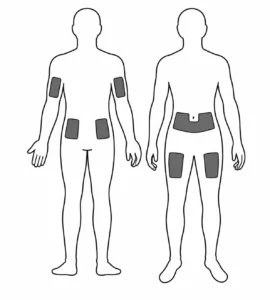
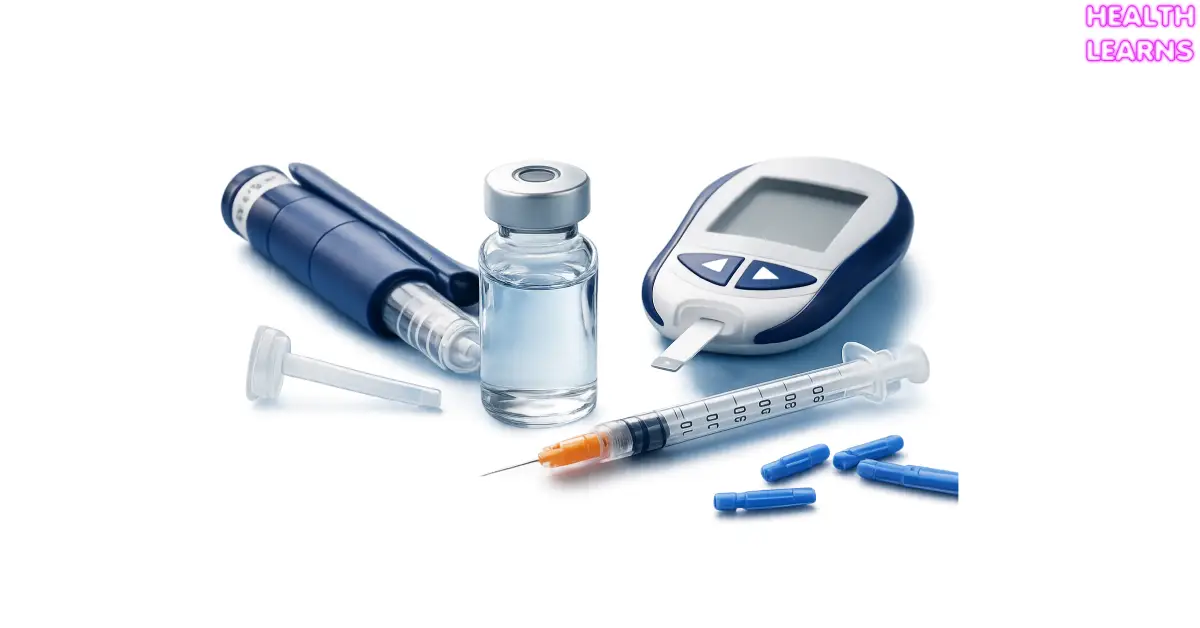
Most people use syringes or insulin pens. If you know the correct way to use them, you will be able to use them quickly, and the pain will be less. If someone has poor eyesight or poor hand function, then there are also syringes of this type available for them. A lot of research is being done on new and easier ways to take insulin. Research is being done on insulin inhalers and insulin patches. Such things are being made that will be inserted inside the body. They will know when insulin is needed and will release insulin accordingly. However, these things have not yet come to the market, and it is hoped that they will come in some time, which will make taking insulin easier.
Taking Insulin by Injection.
Injecting insulin is now much less painful than before. Instead of repeatedly sterilizing the syringe, disposable syringes can be used. Needles are also available in Microfine and Lubricated, which are much less painful.
Using a syringe.
Today, syringe needles are made very thin and sharp-pointed. They are coated in such a way that they can easily penetrate the skin. Keep your body loose while injecting. If you make your body soft, the pain will be less. Keeping the injection site clean can reduce the risk of infection. Do not use alcohol for cleaning, but use clean water and soap. If you use alcohol, make sure that it is dry before injecting; otherwise, you may get itchy.
Buying a syringe.
Syringes are available in different sizes. Use the same dose of insulin as you take. Syringes are made in 100-unit, 50-unit, and 30-unit insulin measurements. For example, if you put one cc of insulin in a 100-unit syringe, it will be 100 units. This syringe has 50 markings, and each marking is equal to 2 units.