


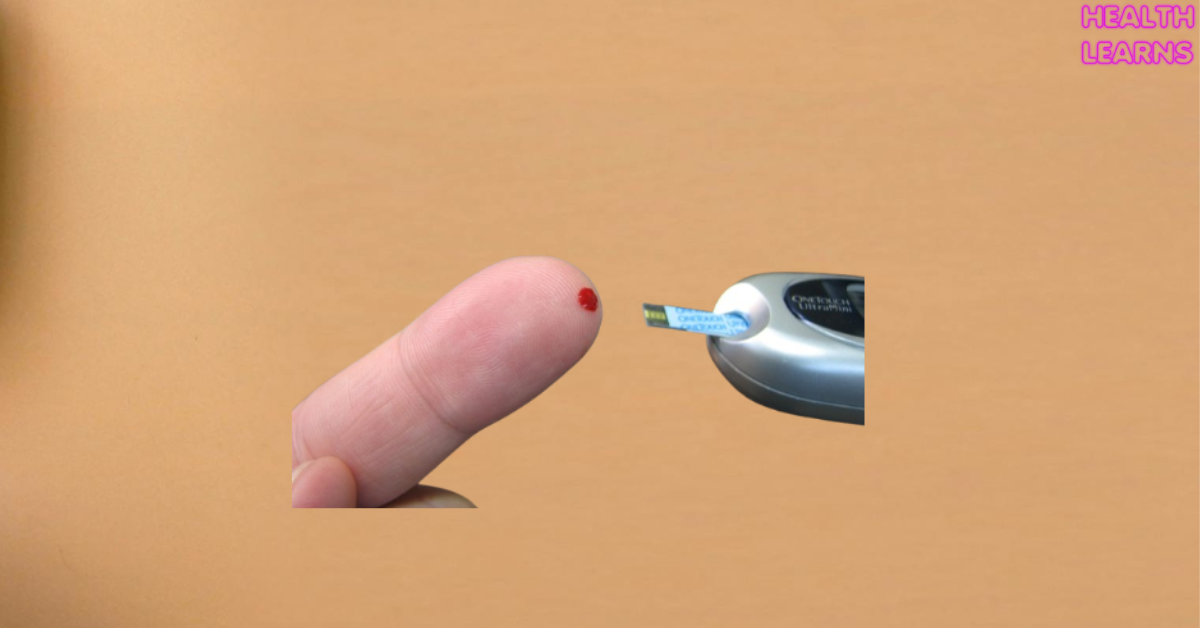
The problem of low blood sugar is not uncommon for diabetes patients, especially for those who take insulin or sugar-lowering drugs. This happens when the body lacks sugar. A person feels dizzy, sweats, feels shaky, and may even become semi-conscious. If not treated immediately, the person may also become completely unconscious. Type 1 diabetes patients experience low blood sugar once or twice a week.
Type 2 diabetes patients have very little to do with low blood sugar. Hypoglycemia is usually caused by insulin not working properly. When the sugar level in the body of people who do not have diabetes is low, insulin stops being produced, but when a diabetic patient injects insulin, insulin starts working, no matter how low the sugar is. If insulin is more than sugar, it will destroy all the sugar, and low blood sugar will occur. The effect of the insulin you take may be less or more, which can also cause low blood sugar. The following things affect the action of insulin.
- How much food have you eaten, and what have you eaten with the food?
- How much exercise have you done?
- Where and how deep you inject the insulin.
- How healthy are you?
- How much pressure you are under, i.e., how much stress you are under.
Symptoms of Low Blood Sugar/Hypoglycemia.
You must know how to recognize if you have low blood sugar, that is, what you feel. Different people feel differently. The 100% correct way to know if you have low blood sugar is to test for sugar. However, the following factors let a person know that he is having low blood sugar, so different people may experience different conditions.
- Dizziness. Sweating. Feeling shaky. Irritability. Impatience. Feeling cold. Being quiet. Fast heartbeat. Feeling anxious. Lightheadedness. Feeling hungry. Feeling nervous. Getting angry. Becoming stubborn. Feeling a headache. Blurred vision.
Some people wake up due to a lack of sugar while sleeping. It is not necessary that every person experiences all these things. And it is also not necessary that someone experiences the same type of things every time, but may experience different symptoms at different times. Some people find it difficult to feel the signs of low blood sugar.
Older diabetics have more difficulty feeling these signs. If someone is not aware of the signs of low sugar and does not treat it, they may have severe hypoglycemia. People who take more care of themselves are less likely to experience such conditions. However, the signs given above can also occur in a person for any other reason, and it is not necessary that the problem of low sugar occurs; in such a case, if a person eats more sugar, it can cause high blood sugar. Therefore, the best way is a sugar test.
We are told that hypoglycemia occurs when blood sugar levels fall below 70 mg/dL. However, someone can have a blood sugar level below 70 mg/dL and not experience any of the above symptoms. Many people may also experience these symptoms even when their blood sugar is above 70 mg/dL.
Whenever you experience these symptoms, check your blood sugar level. This will help you understand what your blood sugar level is when these symptoms occur.
Hypoglycemia during sleep.
How can you know if you have a problem with low sugar during sleep at night? To know this, consider the following things.
- Are your clothes and bedding wet due to sweat?
- Are you not sleeping well and have been having dreams in your sleep?
- Do you feel a headache or fatigue when you wake up from sleep?
- Do you find ketones in your urine in the morning?
- You can find out how much your sugar is and whether you are in a state of Hypoglycemia by testing your blood sugar between 2 and 3 am at night.
Hypoglycemia treatments.
It is good to check your blood sugar level and eat something based on the result. However, if you are away from home or do not have a blood sugar testing device, eat something as soon as you feel that your sugar level is low and wait until you can test it.
Especially when you are driving and your blood sugar has become very low, you should eat something sweet immediately. However, this does not mean that you should eat too many sweet foods and raise your blood sugar level too high.
Keep Fast-Acting Sugar with You.
It is better to keep sugar or something sweet in your pocket, or carry some fruit with you. Sugar tablets weighing 15 grams are available for diabetic patients at drug stores and should be kept on hand so they can be used when needed.
Check Your Blood Sugar After Treatment.
Test your blood sugar 15 minutes after eating something sweet. If your blood sugar level is still low, eat another 15-gram sugar pill. If it is more than 30 minutes before your meal, eat something else and do not stay on an empty stomach for more than 30 minutes. Always keep sugar pills in your pocket, purse, car, bedside, and office so that you can use them when needed. This is very important for people who take insulin to control their blood sugar.
How to Prevent Severe Hypoglycemia.
To avoid the problem of severe low blood sugar, you should always be careful and act immediately when you feel the signs of low blood sugar, and do not wait until you finish work to take action. This can cause you trouble.
Teach Family and Friends How to Help.
Keep your family, friends, and co-workers informed about your sugar so that they can also watch over you and help you. If you become unconscious, you cannot help yourself, and you cannot eat or drink anything. In such a case, your family, friends, or co-workers can give you a glucagon injection, provided that this injection is available and they know how to administer it, they will immediately take you to the emergency room. Glucagon is a hormone that immediately releases glucose from your liver. This hormone also prevents the release of insulin. If there is no sugar in someone’s liver, then this hormone also fails to release glucose. This can happen to people who have been severely malnourished or have had hypoglycemia for a long time or who are addicted to alcohol. If you often have severe low blood sugar problems, then train your family, friends, and co-workers to inject Glucagon so that they can help you in difficult times.
What to Do After a Glucagon Injection.
The effect of the glucagon injection appears within 5 to 15 minutes, and when you regain consciousness, you should eat something sweet or drink juice or Coke, etc. After that, eat something to eat, such as a sandwich or biscuit, etc. If the glucagon injection does not take effect within 15 minutes, immediately call the emergency services. However, a second dose can be given after 20 minutes.
Special Considerations During Pregnancy.
If a pregnant woman has to be injected with Glucagon, then the dose should be increased because the risk of low blood sugar to a pregnant woman is less harmful than high blood sugar. If she does not regain consciousness within 15 minutes of injecting half of the dose, the remaining half of the dose can be injected, but the emergency services should be informed at the same time. It is important for a pregnant woman that those living with her and those working with her know that you are pregnant and that in case of an emergency, you should be injected with the dose.
Exercise and Low Blood Sugar.
Exercise can lower your blood sugar levels, and you may have a problem with hypoglycemia, so don’t do too much or strenuous exercise, especially when you’re alone. Try to go to the gym and exercise where there are people. Try to have someone else with you while walking or cycling. Swim in the swimming pool in the presence of other people. If you have to exercise a lot, then eat something first. If you feel that you are getting low blood sugar during exercise, stop exercising immediately and test your blood sugar immediately. If you want to complete your exercise, check your blood sugar again 15 minutes after eating something, and if it is more than 100 mg, then exercise more. Exercisers should check their blood sugar after exercise so that they know how their blood sugar is after exercise.
Low Blood Sugar During Intimacy.
Low sugar can also be a problem during marital relations. Especially for those people who also drink alcohol, take special care of your sugar, and if necessary, eat something first or eat something later so that you do not have any problems.
Heart patients should take extra care of their sugar because, due to low sugar, their heart rate can increase. Alcohol can also cause difficulties in feeling the signs of low sugar, so avoid alcohol completely. If someone has a problem with low blood sugar and is alone at home, it is better to test their blood sugar before going to bed at night, and if their blood sugar is low, then eat something before going to bed so that they do not have hypoglycemia at night.
To treat hypoglycemia, 15 grams of carbohydrates should be consumed, which can be obtained from the following sources.
- Two teaspoons of sugar
- 6 to 8 ounces of milk
- 4 ounces of juice
- Half a glass of Coke or 7Up, etc.
- Two tablespoons of dried fruit such as raisins or almonds, etc.
- 2 to 5 pieces of Swiss or toffee
